
Return to Hegra
A civilisation vanished in a single night. And one returned to ask why
The Nabataeans vanished from Hegra without warning, leaving nothing of their city but façades carved into the rock.
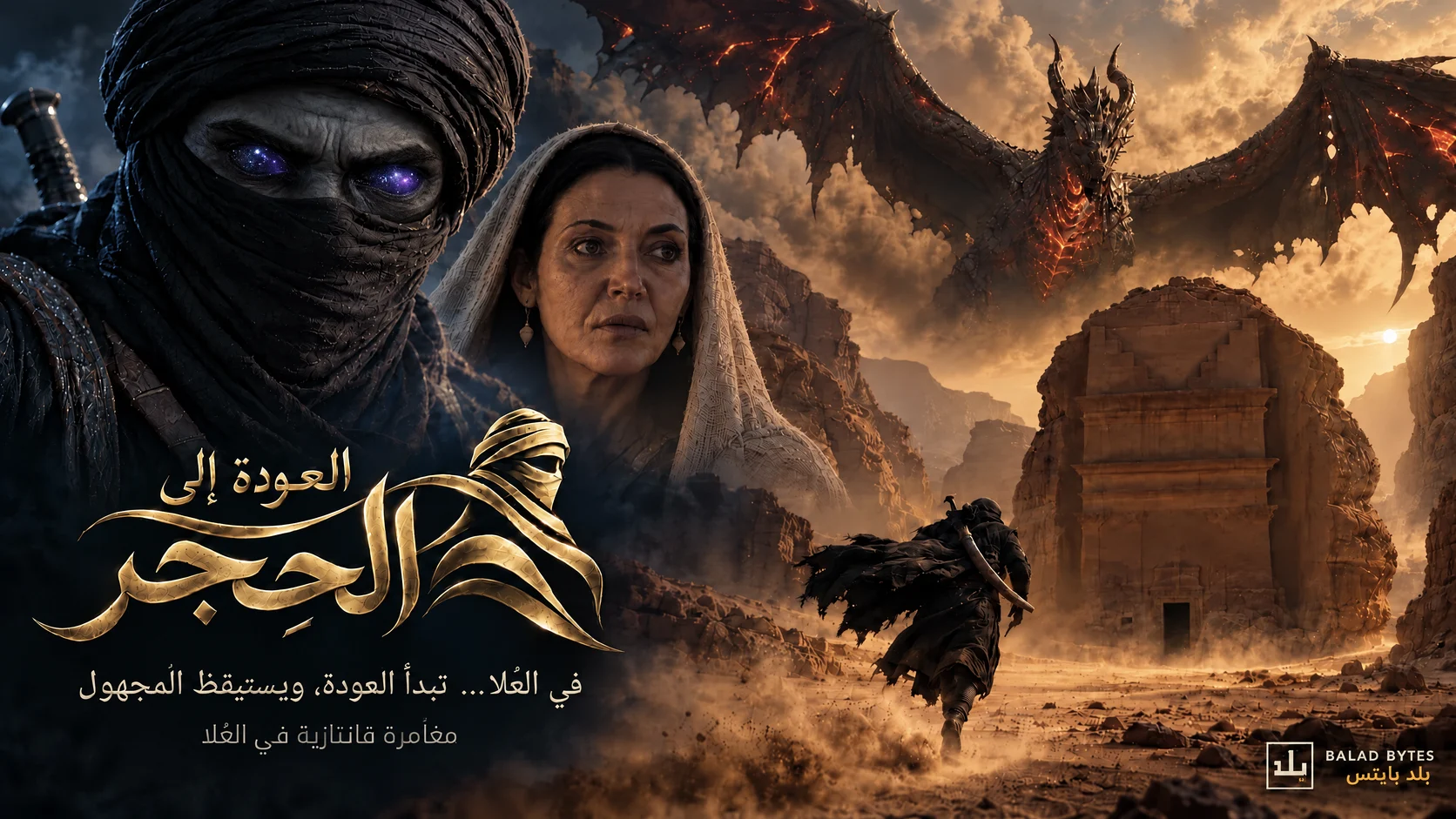
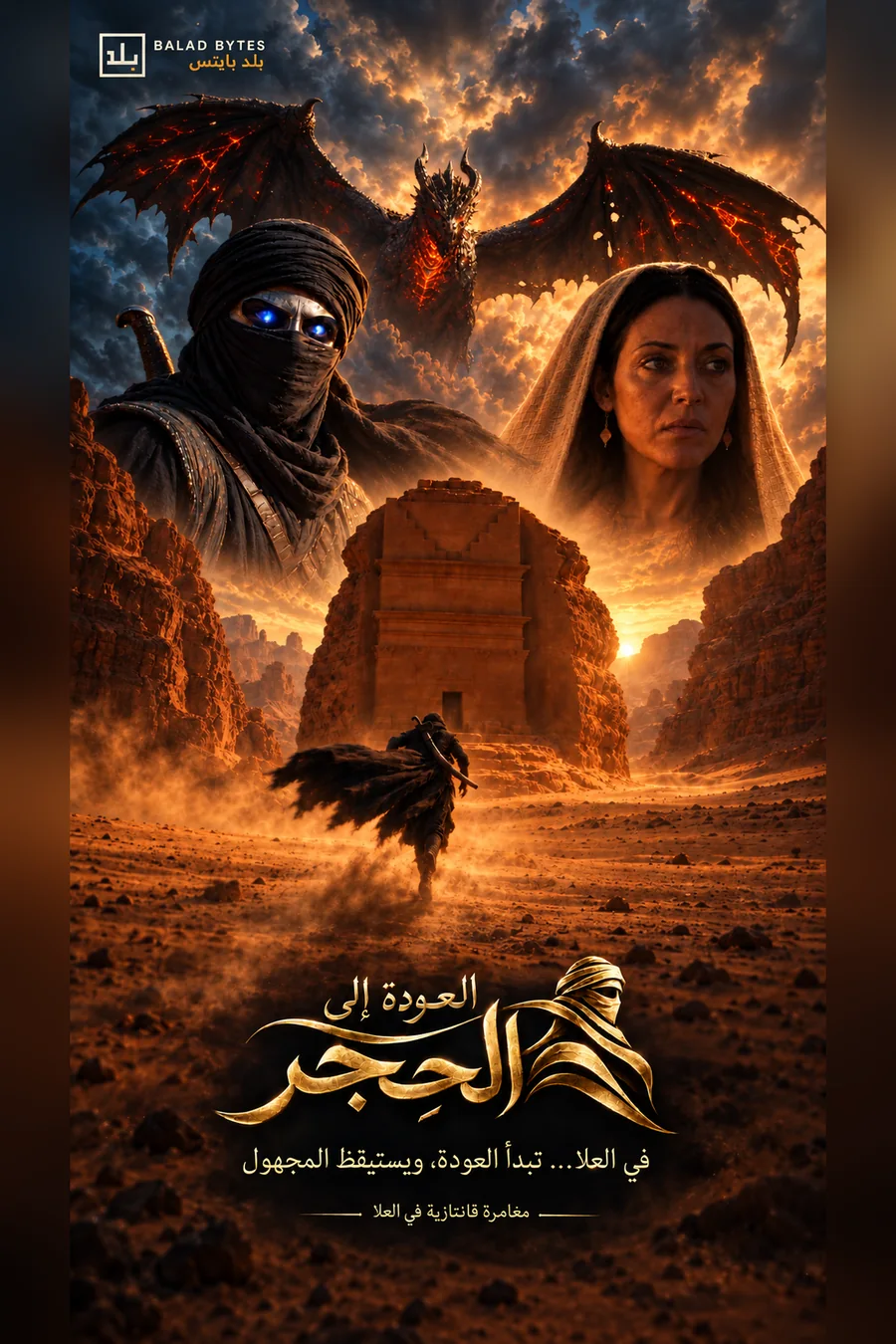
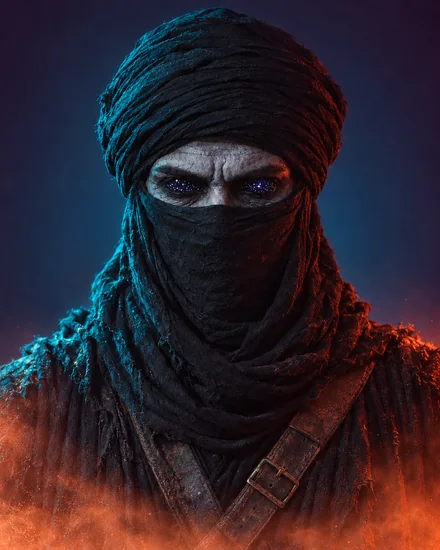
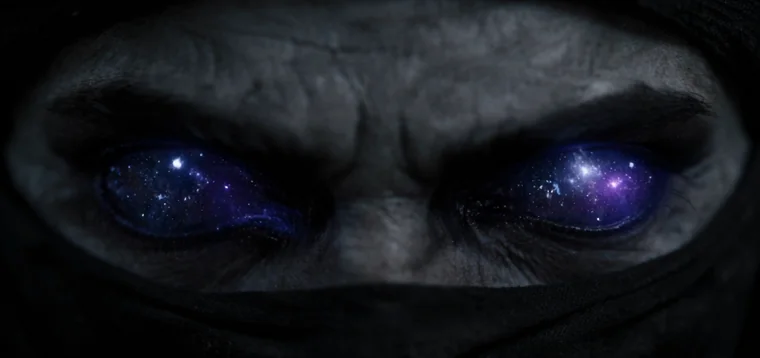
After an age no one can measure, a masked warrior returns, his eyes holding the night sky and its stars. He has come for a small golden relic its people left behind. But the city is no longer empty: in its valleys and tombs, creatures from the ancient legends of Arabia have awoken, storms unlike anything the desert has known are rising, and all of them stand in his way.
Return to Hegra is a Saudi fantasy film that shows the desert as it truly is, without embellishment. It is set in a distant past, so no modern city, no present-day person and nothing from our age appears in it, keeping its world ancient, silent and wrapped in a sense of dread.
The characters
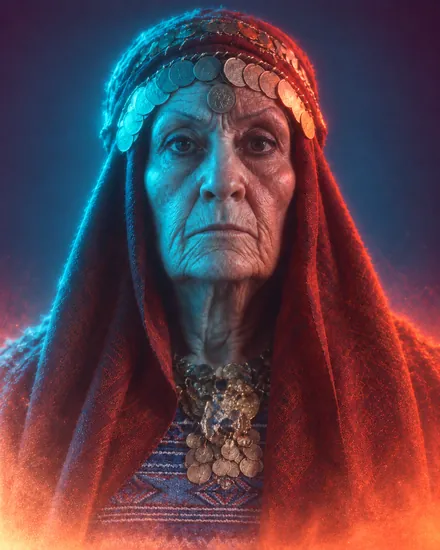
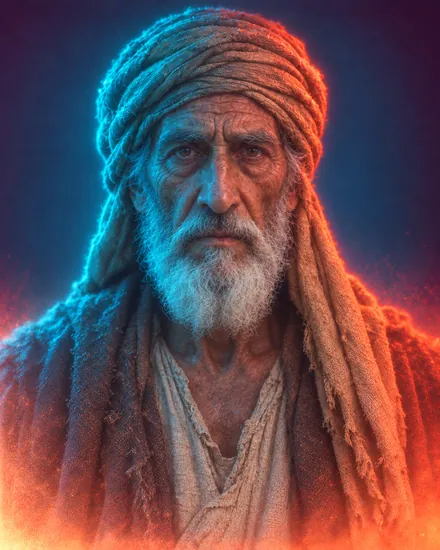
Those who survived the night the city vanished, and those who woke after it.
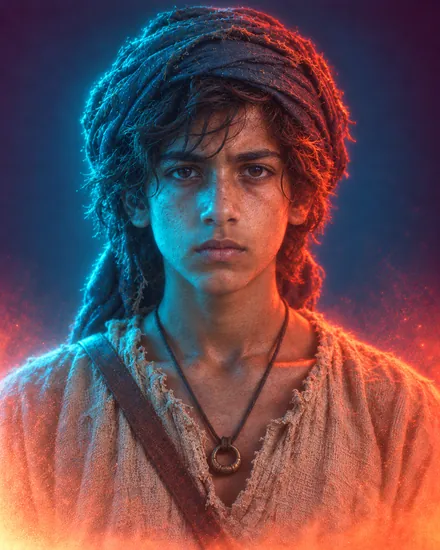
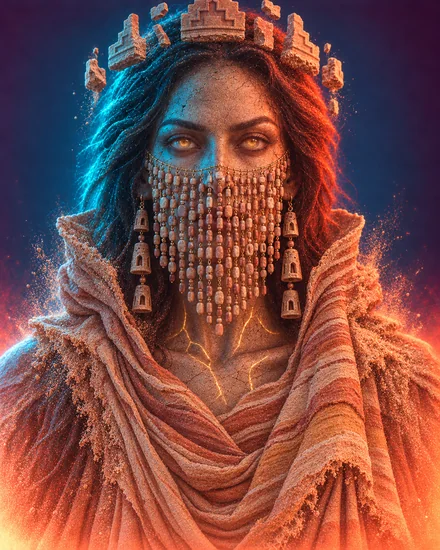
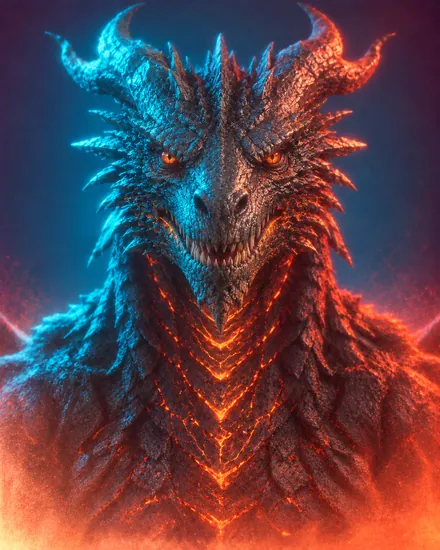
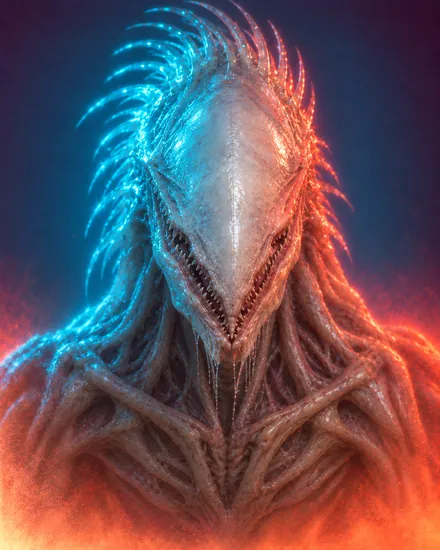
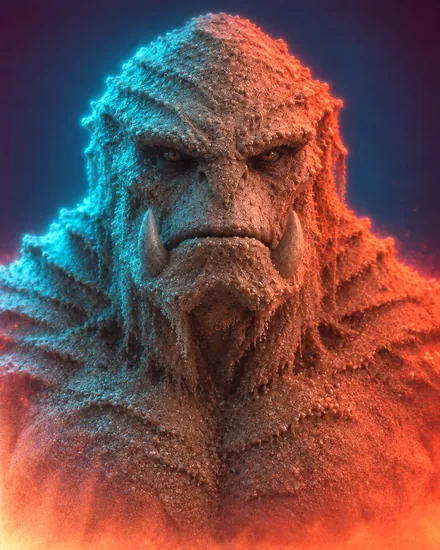
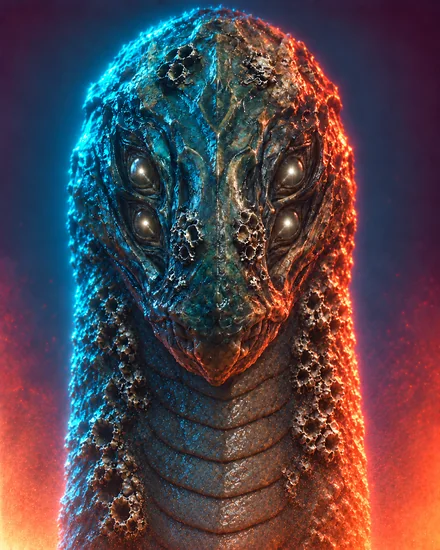
Fiction with roots
Return to Hegra is a work of fiction, but it rests on three real elements: a place that still stands, a woman who lived there and inspired one of its characters, and a sky our ancestors navigated by centuries ago.
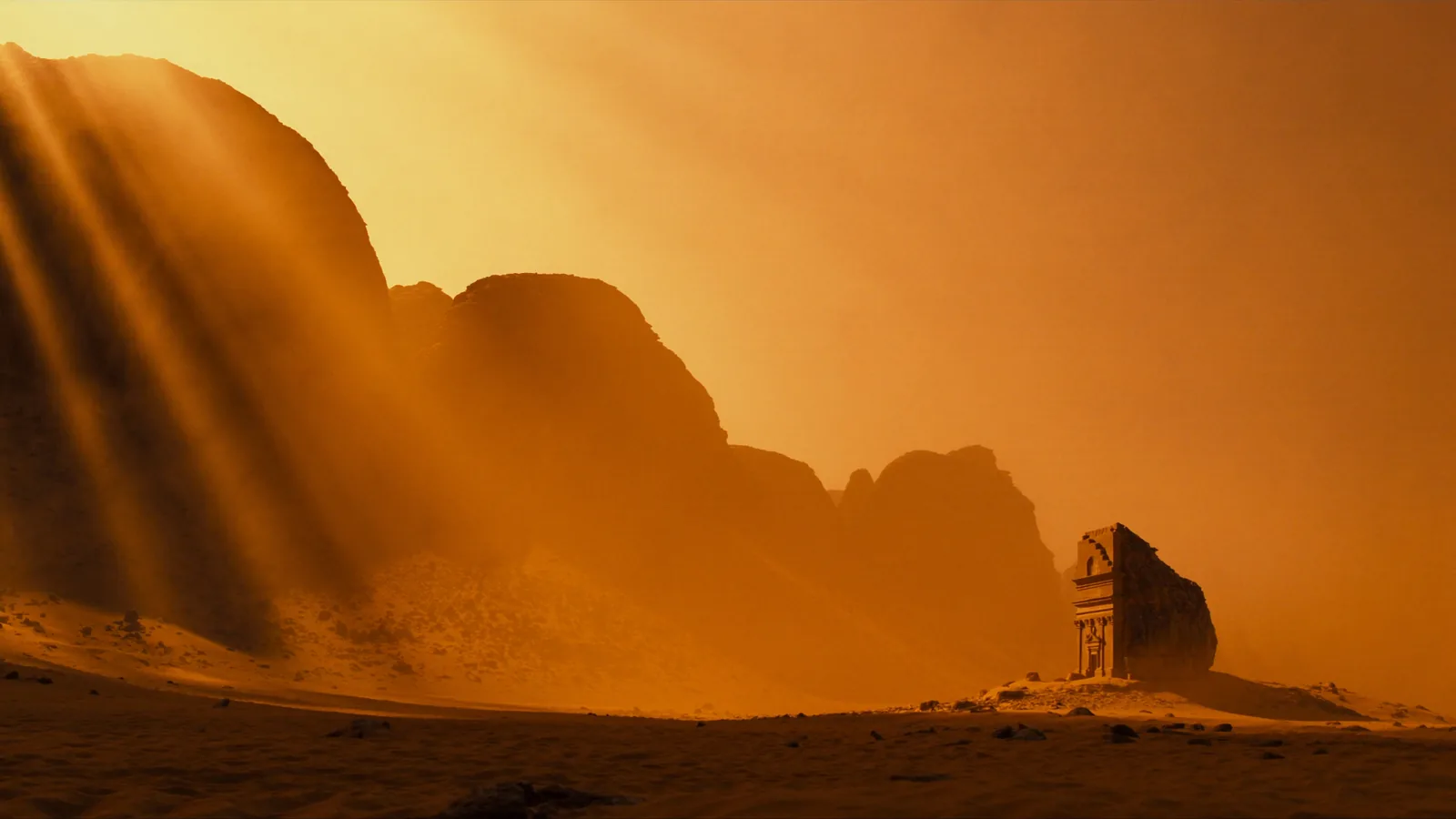
The place: Hegra
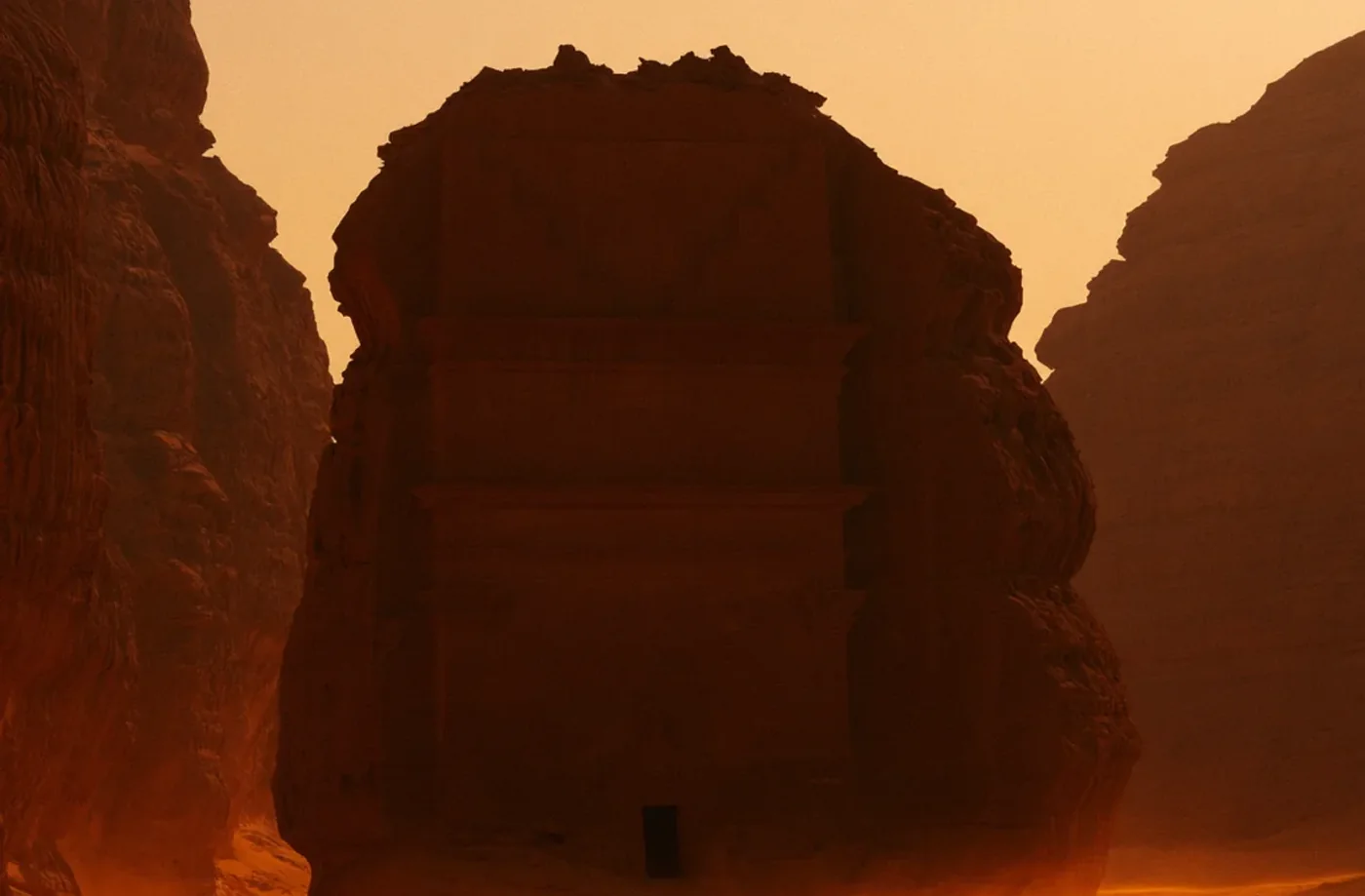
Most of the film unfolds among the façades of Hegra in AlUla, where the Nabataeans built their largest city south of Petra and carved more than a hundred tombs with decorated façades into its rock, on the caravan route that carried incense and perfume between the south and north of Arabia.
We kept every trace of the modern world out of its scenes, so that Hegra appears as it does to someone standing before it for the first time: towering and silent, as if a story not yet told lies behind it.
- Location
- AlUla, north-west Saudi Arabia
- Builders
- The Nabataeans, 1st century BC to 1st century AD
- Tombs
- More than a hundred carved into the rock
- World Heritage
- The first Saudi site on the UNESCO list, 2008
Source: UNESCO
Locations from the film
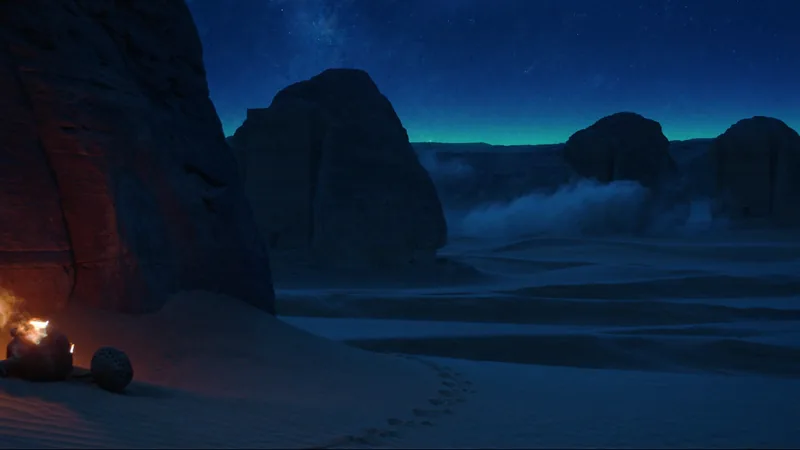
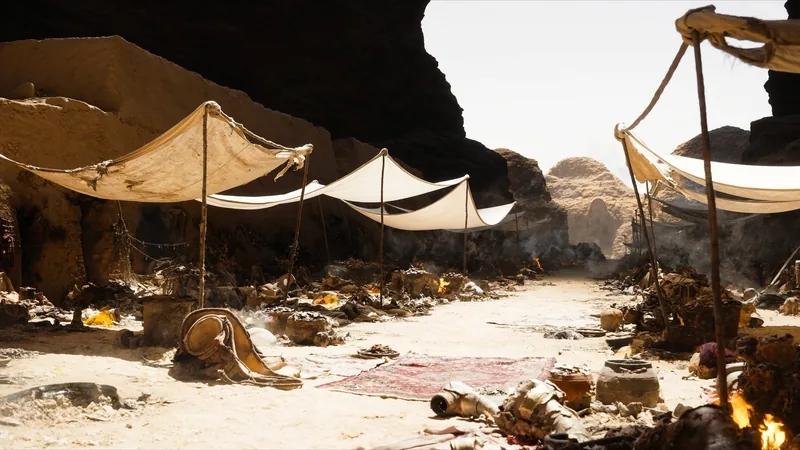
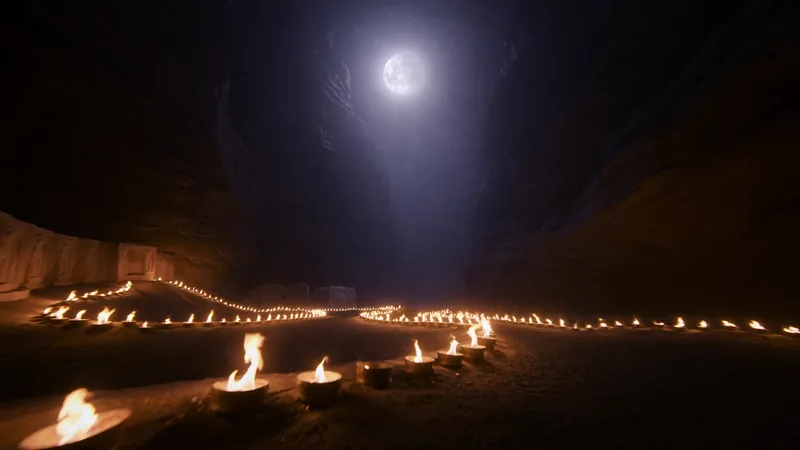
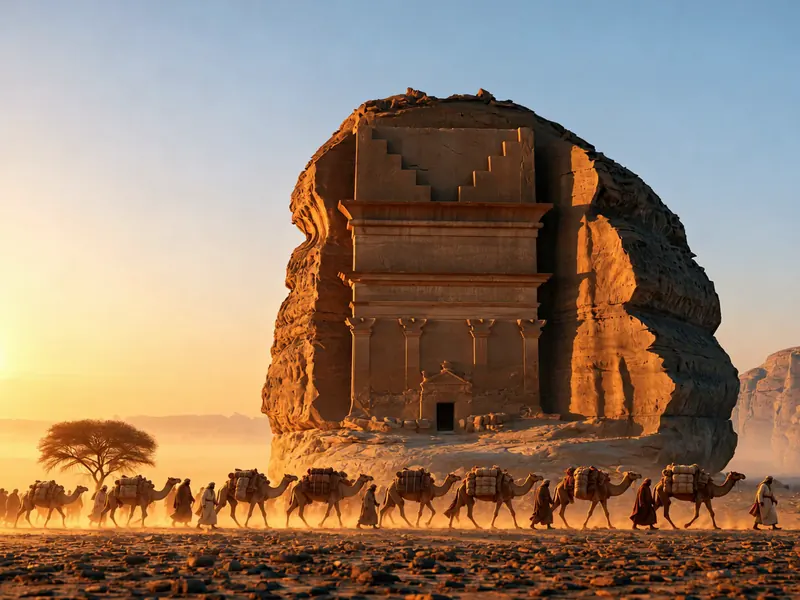
Qasr al-Farid at Hegra through six ages: from green pasture to the Nabataean carvers and the incense caravans, then the travellers and AlUla's balloons today. Move time with your own hand, carve the façade, and write your name in Nabataean letters.
Enter the experience →Hinat: from a name carved in Hegra to a character in our film
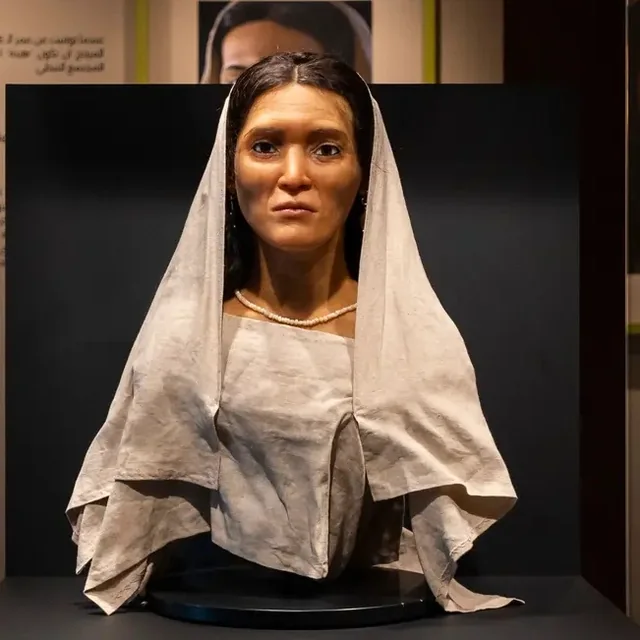
In 2008, the remains of a Nabataean woman who lived some two thousand years ago were found in one of Hegra’s tombs, along with traces of her hair, skin and clothing. The tomb’s inscription bears its owner’s name, “Hinat, daughter of Wahbu”, and a tomb dedicated to a woman by name in Hegra points to her standing among her people.
In February 2023 the Royal Commission for AlUla unveiled a model reconstructing her face, prepared by specialists in Nabataean civilisation, anthropology and model-making, and displayed it at the Hegra visitor centre.
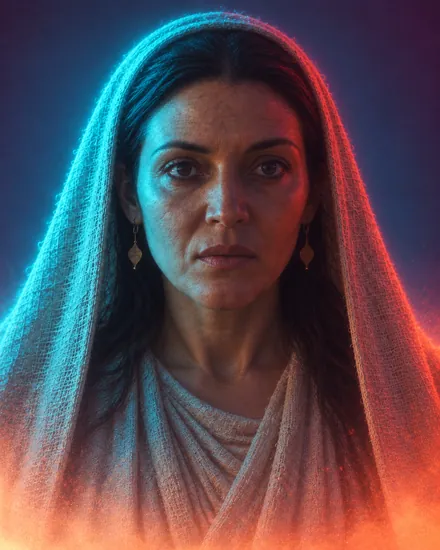
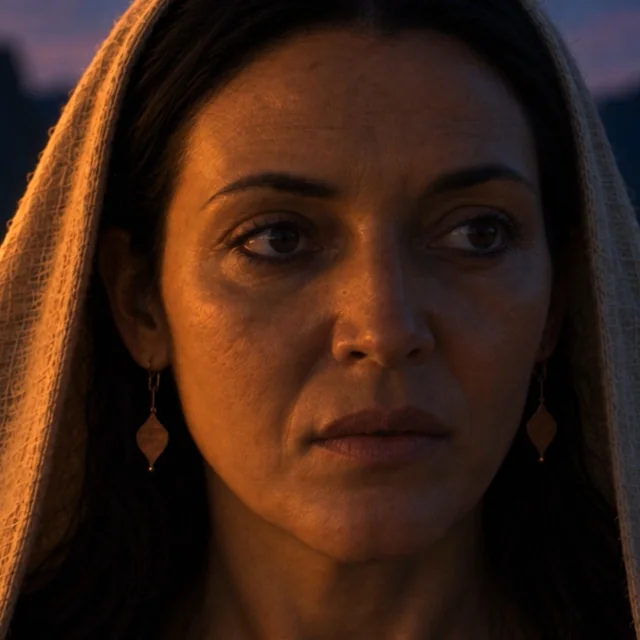
Her story inspired the character of Hinat in our film. We took her name, gave the character a shawl, a dark complexion and a calm gaze, and then drew her a new face of our own. She is a woman from a distant age whose memory no one owns, and she belongs to a history we all share; we wanted the Nabataean woman in Saudi fantasy to draw her spirit from a real origin.
Hinat in the film is a fictional character inspired by the woman named in the inscription. She is not a reconstruction of her face, nor a copy of the museum model. We did not animate the model or transfer its features to the character, and we do not present her as a true likeness of Hinat, daughter of Wahbu.
Reconstruction by the Royal Commission for AlUla. Source: Arab News, 2023
Your name in Nabataean script
Hinat, daughter of Wahbu, had her name carved in this script on her tomb two thousand years ago, and the Arabic script grew out of it. Type your name, in Arabic or English letters, and see how it would have been carved into the rock of Hegra.
Approximate: Nabataean had no separate letters for sounds that Arabic later told apart with dots, such as th, kh, dh, ḍ, ẓ and gh, so they are written with the nearest letter, as the Arabs wrote them before dots were added.
The masked knight: spirit of the desert
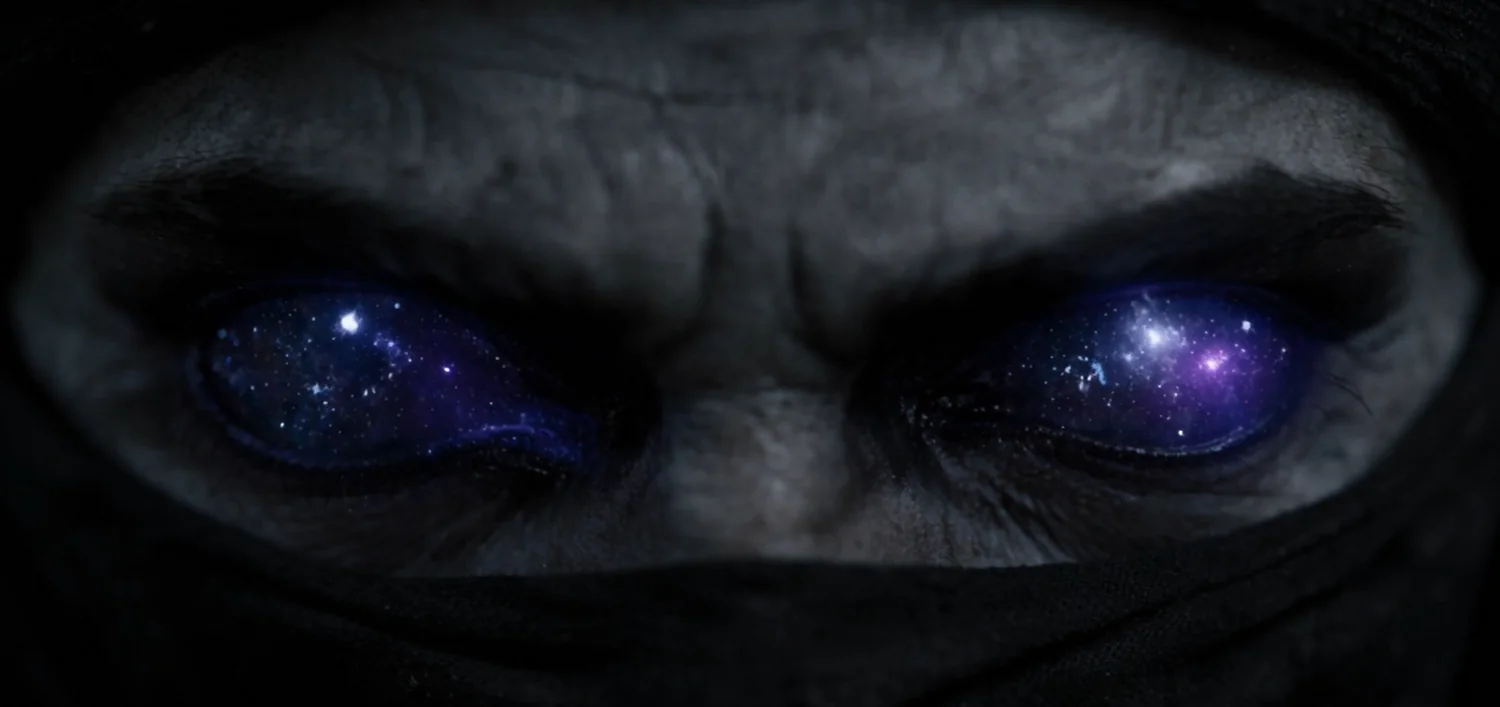
The knight in Return to Hegra is not human, and we designed him that way on purpose. He is the spirit of the desert, born of the old Arab’s need for the sky and of the long nights he spent awake beneath it.
The litham is familiar to anyone who has lived in the desert: it shields against sand and the heat of the sun and covers the face from strangers. In the film it plays a deeper role, hiding everything earthly about the knight so that nothing of him shows but his eyes, his only window onto the infinite.
In his eyes is a whole night sky. For the old Arab, the stars were a guide through a desert without landmarks: by them he found his way and reckoned his seasons, and to them he confided his worries on long nights. So we let that sky live in the knight’s eyes, as if he had travelled through the night so long that he became part of it.
It is also a tribute to a heritage we are proud of. The Arabs watched the sky and named its stars, timed the rains and grazing seasons by their risings, and people across Arabia still welcome the rising of Suhail because it heralds the breaking of the heat. In the tenth century Abd al-Rahman al-Sufi wrote his Book of Fixed Stars, which remained a reference for astronomers for centuries, and many stars in modern atlases still carry their Arabic names, such as Aldebaran, Altair and Vega.
His earthly identity: the face, the age, the lineage — everything that makes him one of us.
His cosmic identity: the road, the seasons, and the sky that guided his ancestors.
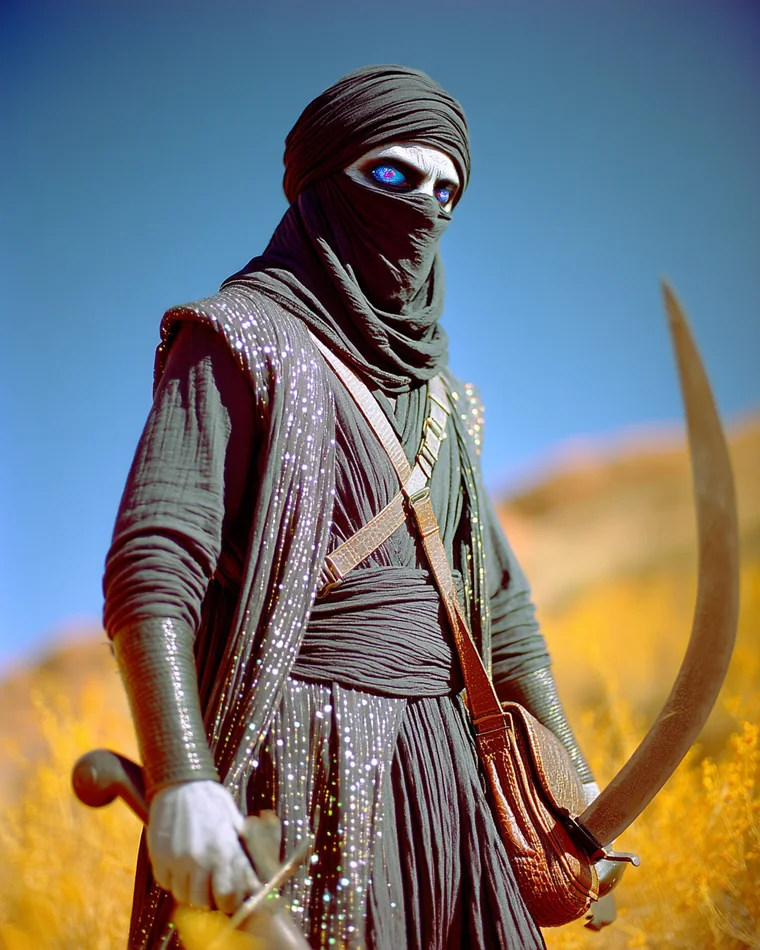
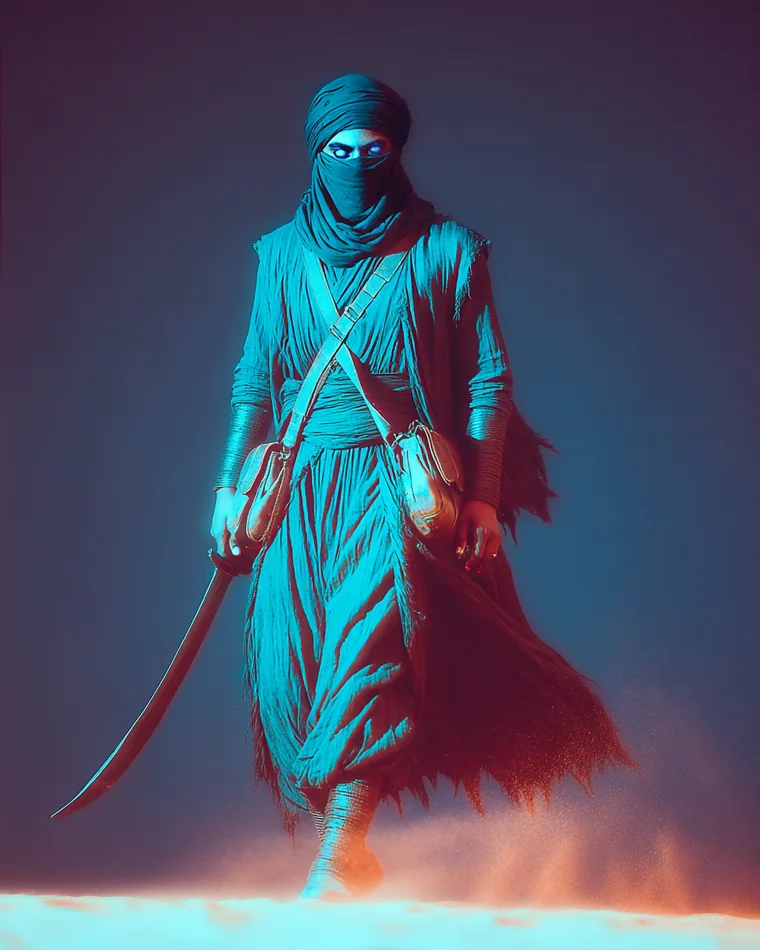
A body of desert, a gaze of sky

Have a place, a product or a story?
Tell us in two lines. We'll send you an idea and a quote within 48 hours.